Standardized Patient Program
What is a standardized patient?
Standardized patients (SPs) are trained individuals who portray specific clinical scenarios, including patient history, symptoms and emotions. During these simulated encounters, they assess and document student performance, providing constructive feedback on clinical skills, interpersonal communication, professionalism and patient-centered care using structured checklists.
SPs play a vital role in the education of medical students and other health care professionals. At MUSM, our SPs work closely with medical students throughout their four years of training, helping shape the next generation of physicians in Georgia.
How to become a standardized patient
SPs come from all walks of life and bring a variety of experiences. They are interested in contributing to the development of health care professionals.
Standardized patients should have:
- A passion for teaching and a commitment to training the future generation of physicians
- Excellent verbal and written communication skills and listening skills
- A flexible schedule and availability for work during weekdays
- Reliable transportation
- Basic computer skills
- Traits including punctuality, dependability, flexibility, good memory, openness to feedback, professionalism, confidentiality, and a non-judgmental attitude toward age, gender, race/ethnicity, religion, or disability
Frequently Asked Questions:
What are the qualifications of an SP?
There is no age, educational or professional requirement to become an SP. All ages and backgrounds are welcome! The ideal candidate has:
- Flexibility (available for work during weekdays)
- Excellent communication skills
- Reliability and punctuality
- A good memory
Note: Mercer employees are not eligible to participate in the standardized patient program.
What are the responsibilities of an SP?
During a standardized patient encounter, SPs portray emotions, behaviors, and disease symptoms designed to teach or assess skills appropriate to the medical student’s level of training. This allows medical students to practice their clinical and data-gathering skills and improve their interactions with patients. The SP is also responsible for assessing the medical student’s skill level using computerized checklists and providing written feedback.
Do SPs need to know a lot about medicine?
SPs do not need to have a medical background. They are taught everything they need to know to consistently and accurately portray a case.
Do SPs need to have acting experience?
SPs do not need acting experience, but a good short-term memory is helpful for remembering the details of the role.
How is an SP trained?
SPs are carefully trained through workshops and individual sessions to learn how to consistently and accurately portray a patient with a real-life medical problem. This extensive training ensures that each standardized scenario or case can be repeated in a consistent manner to numerous students.
Questions? To learn more about our program and the application process, contact one of our campus coordinators below.
Contact us to learn more
-
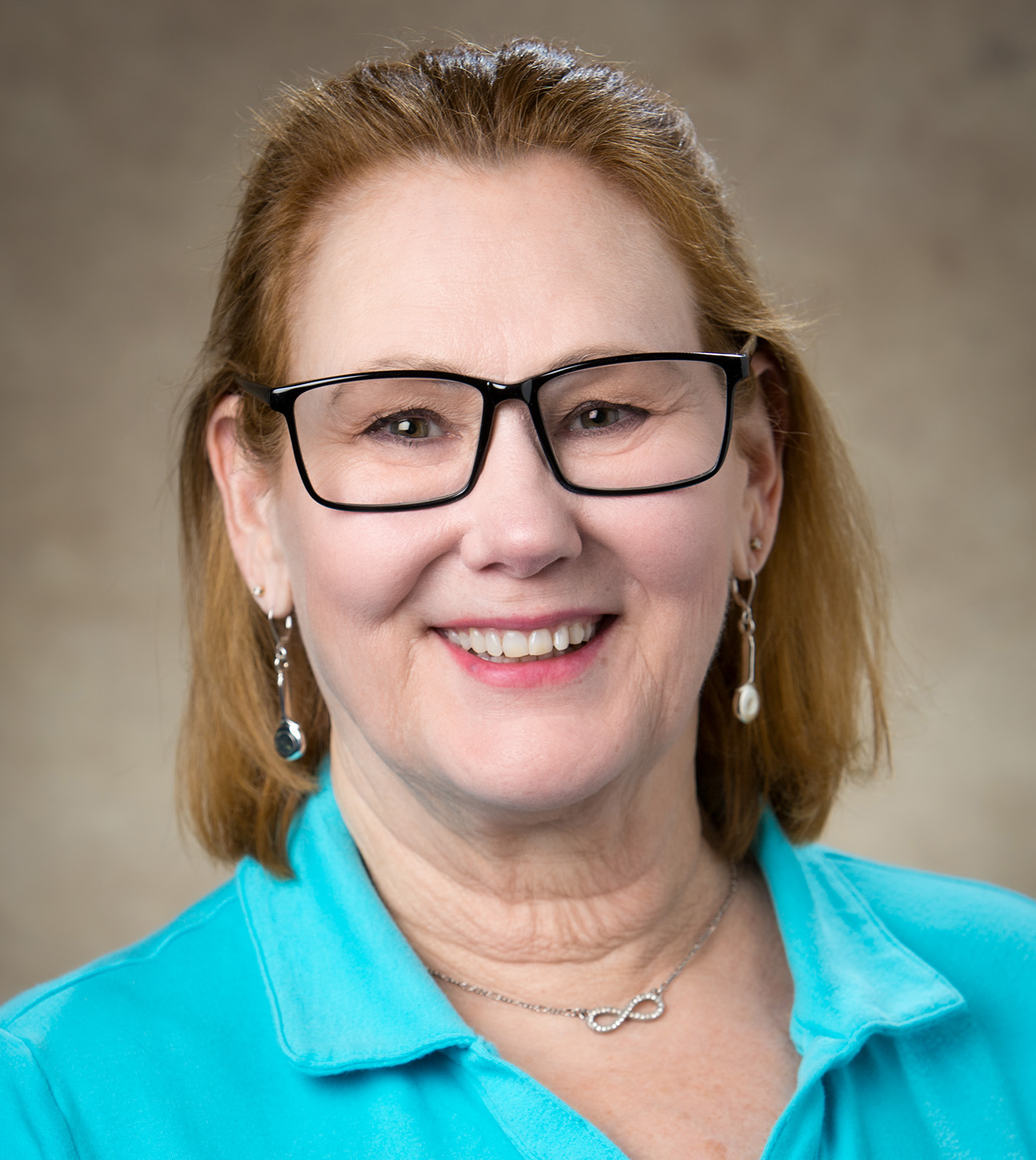
Belinda Baker
Columbus
706-223-5241
baker_be@mercer.edu -
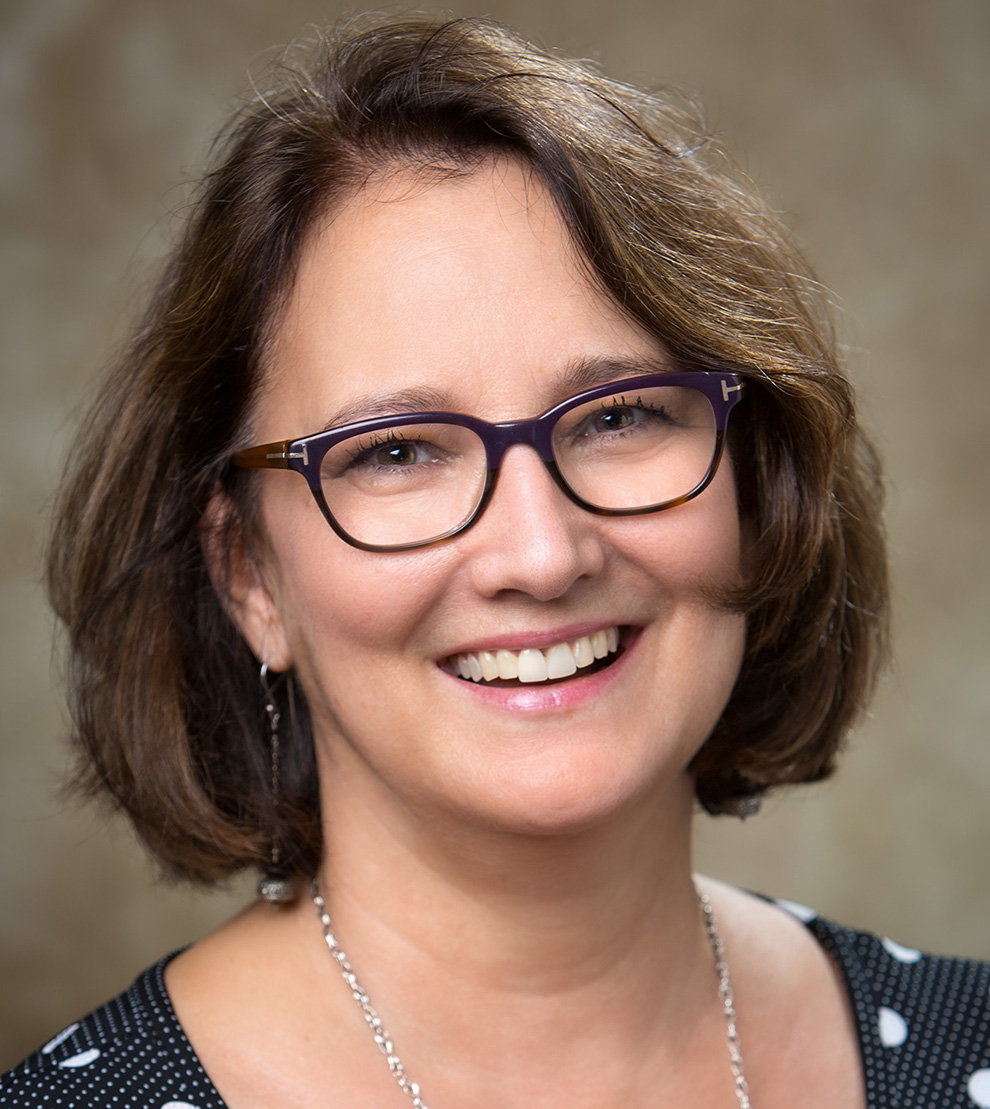
Annette Bower
Macon
478-301-4028
bower_aw@mercer.edu -
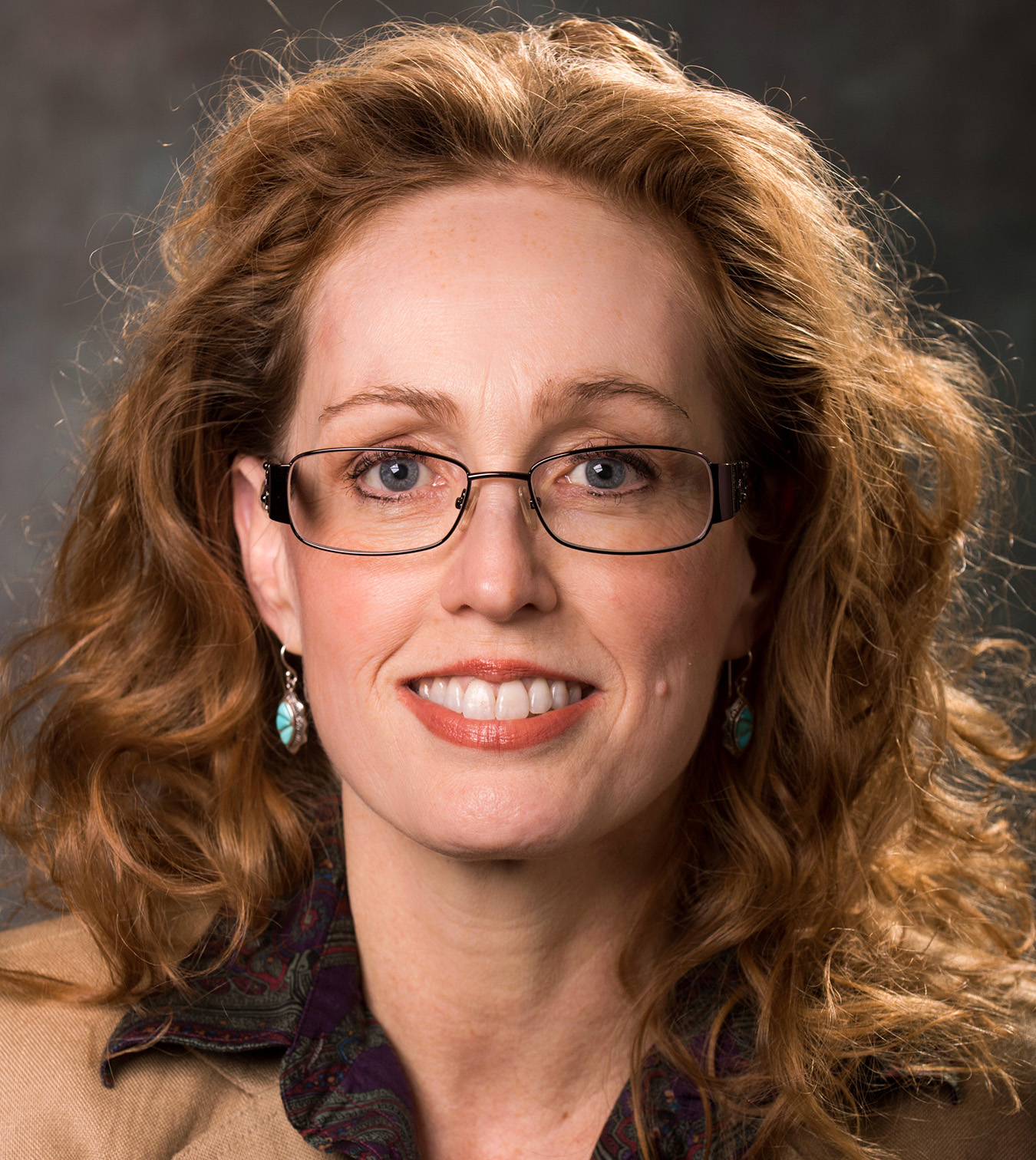
Jill Bell
Savannah
912-721-8193
bell_jh@mercer.edu -
Clara Lovingood
Valdosta
229-433-4279
lovingood_fc@mercer.edu